
Methods and ethics of researching gender-based violence on campus: experts reflect
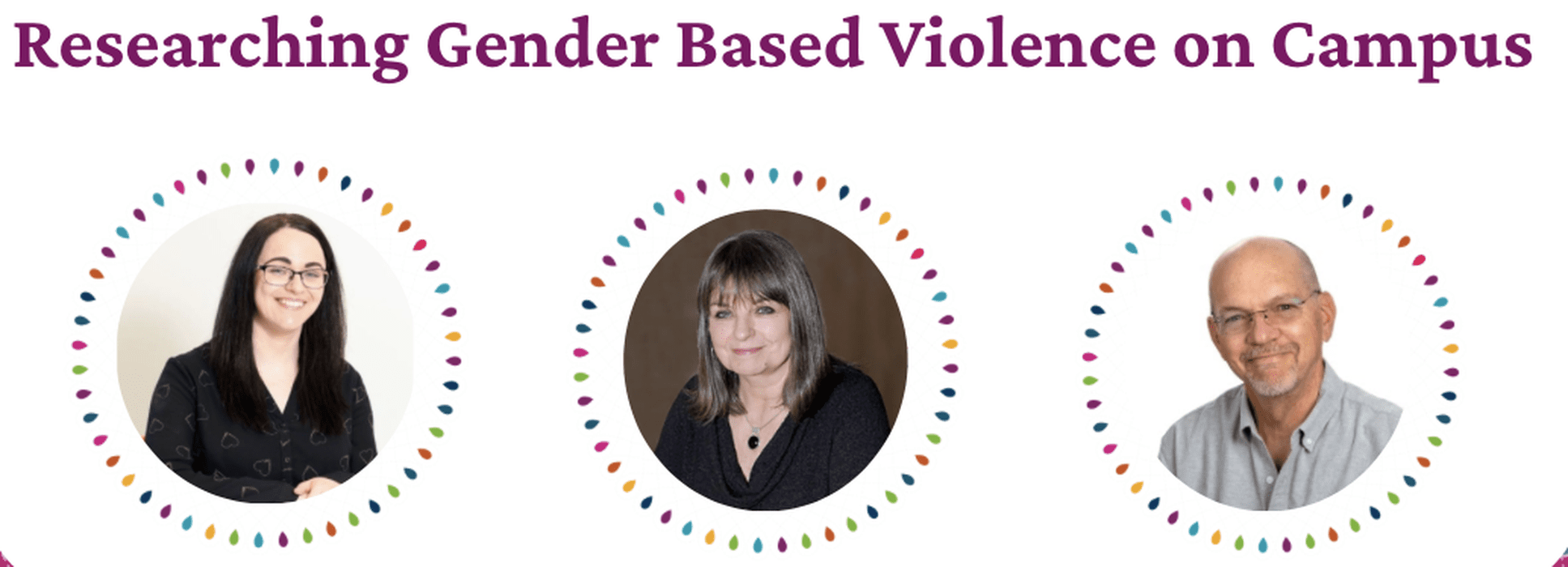
Anni – All of our work including our Research Toolkit was grounded in the principles of feminist research. This informed every step of the processes we undertook when conducting our research on campus gender-based violence. Interviews and surveys are both important, and it is vital to include safeguards for everyone involved. These ensured that both research participants and researchers felt comfortable disclosing or discussing sensitive and often distressing topics. We took a trauma-informed approach to our work to ensure the emotional safety of all concerned in our communication with participants at every stage of the participant recruitment and interviewing processes. We developed safety protocols for use in the event of any risks disclosed by participants during interviews, and made support information available for them. Researchers were able to access regular debrief sessions with project staff; external support was also available to them if required.
Susan - I use mixed methods, so am also thinking about ethical practice and planning distress protocols for both staff and participants. An important consideration is to sense-check with people, to make sure to check your local colloquialisms and terminology. On the quantitative side, I used the 5 safes framework which originated from the Office of National Statistics. This framework includes safe data, safe project, safe people, safe settings and safe outputs. In my research, I couple that with a strong theoretical grounding. Universities also now have open science frameworks, which speaks to the integrity of the research. This involves publishing protocols and giving yourselves time to make mistakes and own up to that publicly. It took me a decade of getting things wrong, to be able to get it right.
Bill - For me, understanding my students was critical. In my initial study in 2001, I knew a bit about “friends with benefits” as I had watched Sex in the City, but I didn't know that “hooking up” was a thing, or that it was part of student intimacy culture – which is amazingly elaborate. With these insights to student cultures and languages in mind, we asked about hooking up, and it ended up being a stronger predictor of sexual victimisation than alcohol consumption; this finding has been consistent over the last 25 years.
When our group got together in 2015 to put this survey together, we started by discussing and creating a set of guiding principles which included inclusiveness, mutual respect, collaboration and engaging in a transparent drafting process. This is very like Susan's idea on open science and getting feedback about the process as you go along, which is very important to ensure research integrity. Using the best evidence as the foundation for the survey was of equal focus, as we were surveying both victimisation and perpetration.
Anni – Regarding the individual research and surveys, we needed to take a trauma-informed approach to ensure that everybody was alright. But I've found that individual safeguards and institutional safeguards are both needed. Some of the challenges are to do with how the institution is thinking about this issue and safeguarding yourself against that.
So, safety is about both the researchers and the participants, but also, everything else which is going on around that. You have a duty to the participants, as doing research in this area is an intervention in itself. People might not come forward to participate in the research, but putting up a recruitment poster shows that you’re treating the issue as important. This sends a positive message out onto your campus. People contribute and come forward, and it might be a big deal for them to come forward and talk about their experiences. So, because of this you need to put safeguards in place. People want to get involved in the research to make a difference and contribute so that others don’t feel alone, and that’s their main motivation. If you can’t give them back the results of the research, then that’s a failure.
You need people there who can help researchers and participants, such as a local rape crisis support centre. We worked closely with our local Rape Crisis Centre who established an outreach service on campus to support all students affected by GBV, including any participants. They also offered external support to any of our researchers who were affected by the issues that arose during interviews. Universities are small communities, but are also in towns and cities, which makes the university’s strategy on prevention important to the local area. You need to bring others to the table through partnerships, as this gives you allies and support.
Bill - I've been doing this work with groups of undergraduate students for the last 25 years, and sometimes with graduate students. Most of the students themselves have been survivors. I've learned over the years that it’s very important to make sure the people who do the research know what it is they’re going to be facing. The best source for that, which I require students to read, is Rebecca Campbell’s Emotionally Involved: The Impact of Researching Rape. It's a book about researchers doing this kind of work and the types of emotional responses they have, based on personal experience or capacity for empathising with others in pain. I’ve only had one student who had read that opt out; but asking students to read the book enables us to have conversations not only about what the work is likely to be like, but also about when things get difficult. For example, when someone takes an interview that’s blown them out of the water emotionally, the research group, while it cannot be a therapy group, can certainly be a group of people who are available to provide support. We've had students come back from interviewing and ask for an additional group meeting that week as they want to meet others who will understand and be supportive. So, preparation of researchers to do this type of work and having an ongoing support system internally for researchers, and externally with colleagues you can call up and say ‘jeez, I could use a ten-minute meeting to run something by you’, is critical.
Author Bios:
Susan Lagdan is a Senior Lecturer in Psychology (Mental Health) at Ulster University and a Fellow of the UK Higher Education Academy. Susan’s research focuses on domestic violence and mental health.
Anni Donaldson is an Honorary Research Fellow at the University of Glasgow and was Lead of the Equally Safe in Higher Education project. Anni’s research focuses on gender-based violence in Scotland.
Bill Flack is a Professor of Psychology at the Bucknell University. Bill’s research focuses on understanding and eliminating sexual assault and gender-based violence in higher education spaces.