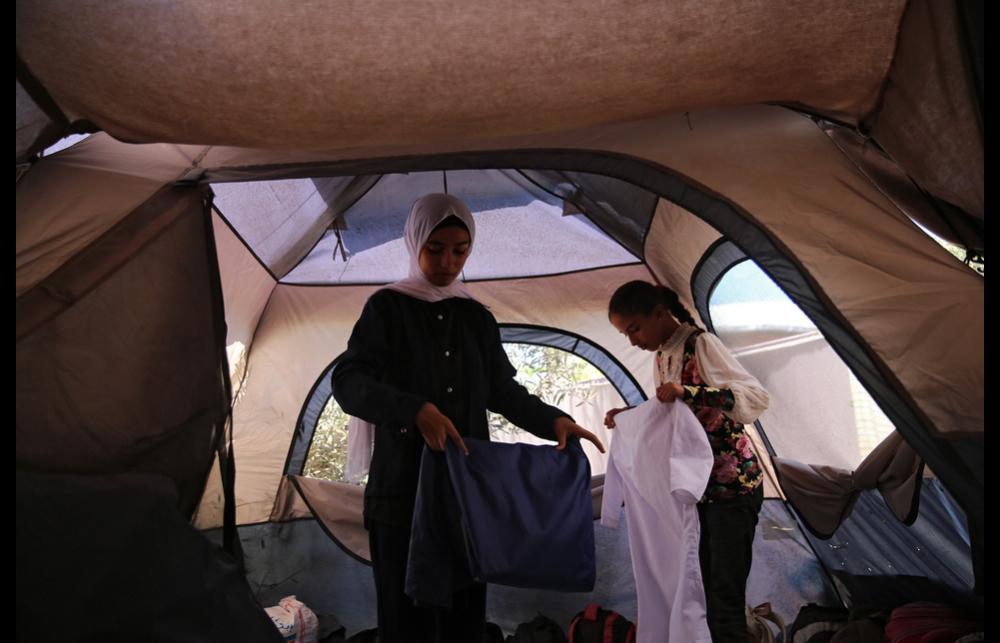


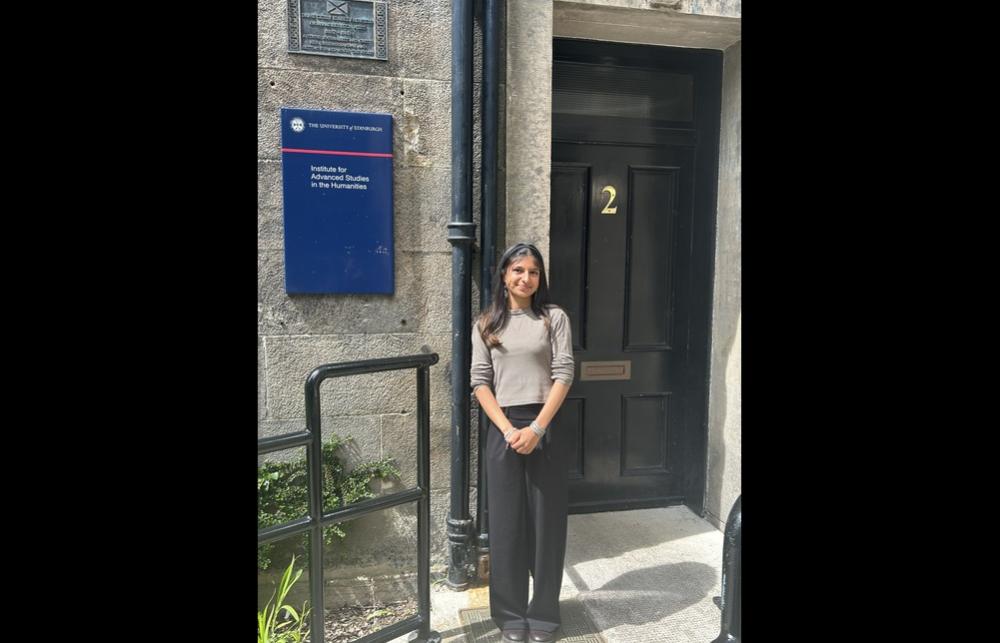

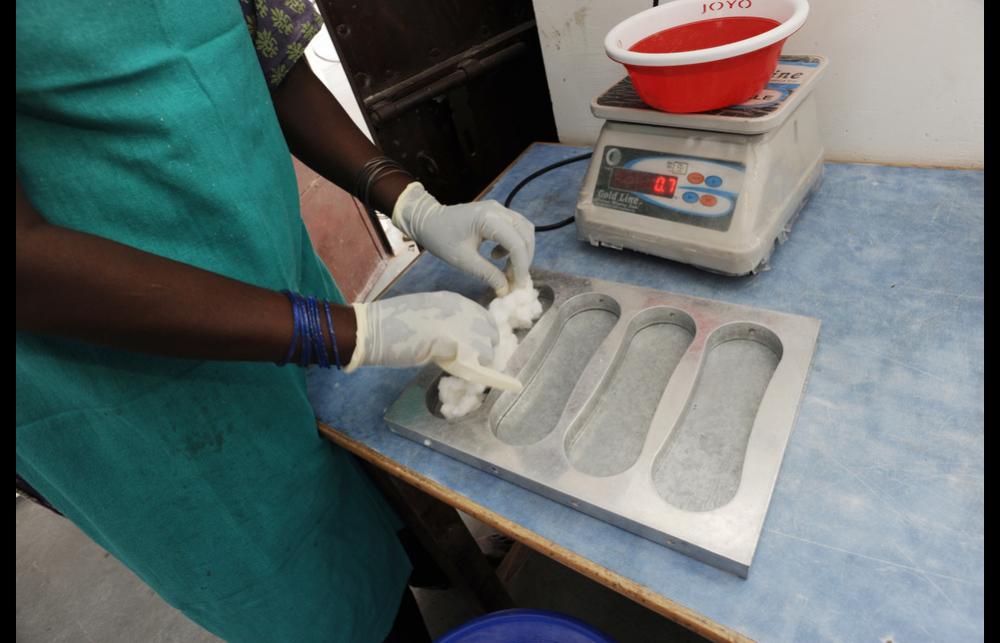

Continuing our ECR Spotlight series, Prerna Singh's blog challenges the dominance of “hygiene” in menstrual health discourse, showing how it erases lived realities and imposes one-size-fits-all solutions. Prerna highlights women’s agency and the need for context-driven approaches over technical fixes.
In association with Valentine’s Day and inaugurating our ECR Spotlight series, Abby McCutcheon delves into the debates surrounding ‘ethics’ and ‘consent’ in non-monogamous relationships, calling for a more nuanced examination of how social, political, and power dynamics shape intimacy, and for deeper reflection on relational justice, privilege, and fairness.
As we approach Valentine's day, Zeynep Temel draws on feminist political economy to critique the “love languages” framework for obscuring gendered emotional labor and structural inequality, and reframing intimacy as a site where care, power, and economic precarity are quietly governed.
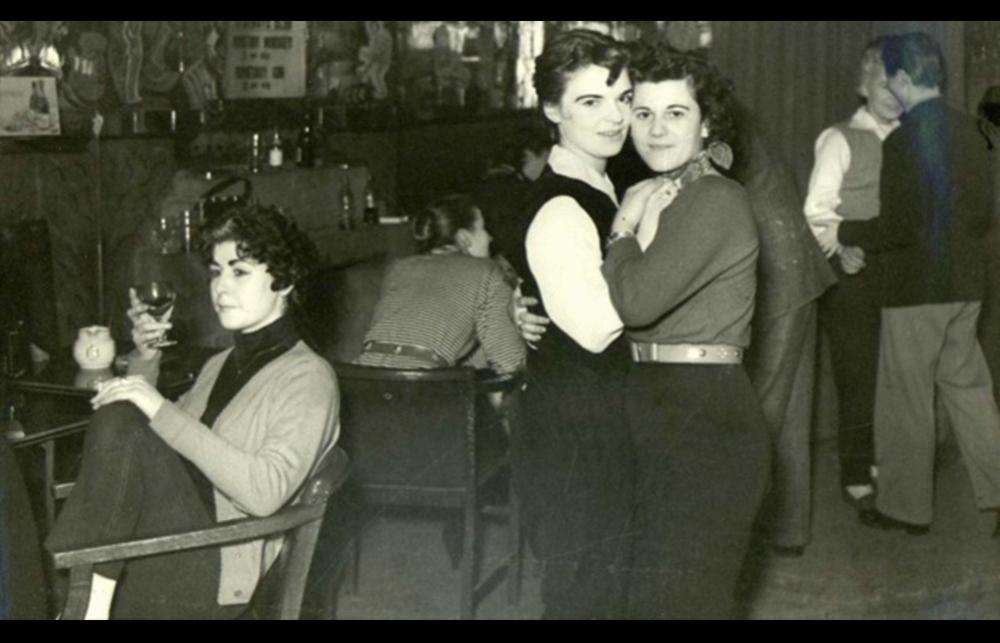
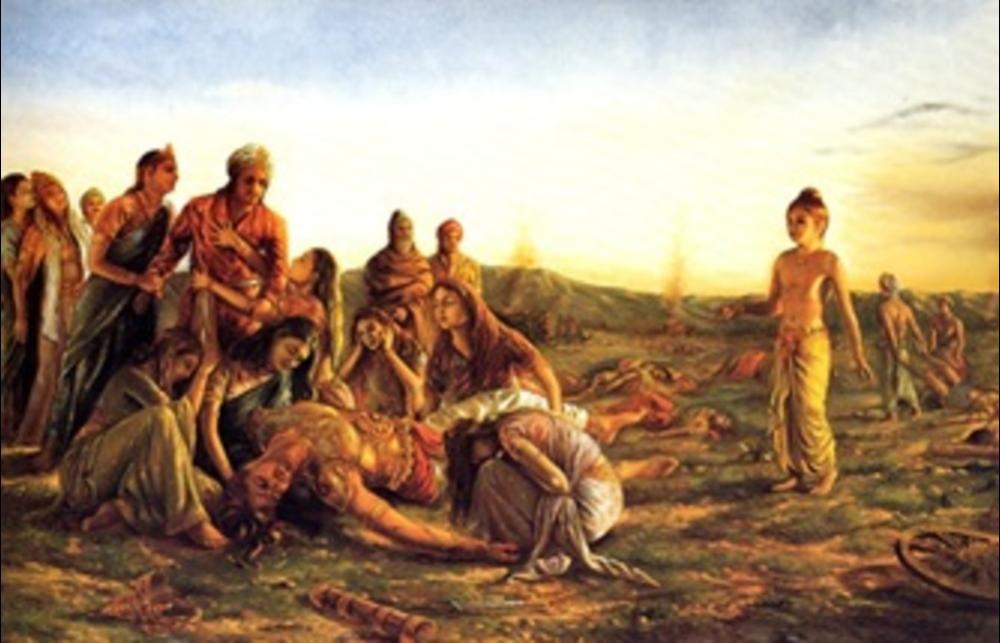
Delving into Edinburgh’s queer history, we discover the story of two school teachers, accused by their pupil of having 'inordinate affection' for each other. Poppy Watson paints a picture of the socio-cultural goings on in our city in the early 19th Century, highlighting complexities of class, race and queerness.
At the start of LGBTQ History Month, in this blog Alexandra Wallace summarises her undergraduate research, which explored how young people first learnt about queer identity in postwar Britain, and the implications of her findings for how we think about identity.
Irene Neophytou's blog, adapted from her essay which won first prize in the 2025 Queer Futures competition, analyses how artists queer gender by appropriating its coded gestures, amplifying them to the point of rupture, and thereby generate a liminal, defiant space.
In this runner-up Queer Futures Prize-winning essay, Lucy Wilson offers a historical analysis of current social media use of the term ‘mother’, arguing how LGBTQ+ subcultures manipulate gendered language to subvert conventional understandings of family and create community.
In this blog - adapted from an essay which won an honourable mention for the 2025 Queer Futures prize - Elisha Sellick explores how Sappho’s voice reaches across millennia to challenge our modern habits of seeing and performing, offering instead a lyric of presence, tenderness, and reciprocity.
Mia Smith argues that the Women, Peace and Security agenda must move beyond crisis response to confront the structural injustices driving climate insecurity. This piece won second prize in the Political Studies Association’s ‘Women and Politics’ Undergraduate Essay Competition 2025.
As of this month, GENDER.ED has a new core team, as Becky Hewer and Kaveri Qureshi have begun as Co-Directors. In this blog, they introduce themselves, and their hopes and aspirations for GENDER.ED, in conversation with Associate Director Wannes Dupont.
To welcome the new year, GENDER.ED’s new Co-Director, Kaveri Qureshi, and Associate Director Wannes Dupont look back on GENDER.ED's activities in 2025, sharing their excitement for 2026.
In this December's newsletter, Dr Radhika Govinda asks what tools gender and sexuality studies may offer at a time of budget cuts within the institution and intensifying democratic erosion globally […]
Join our mailing list to receive email updates on GENDER.ED news and events, and the latest from our blog.
Join our mailing list
This website uses Google Analytics to gather usage statistics. Please accept or reject. See our privacy policy.